Distributed energy
FEATURED POST
GIS WebTech LLC announced today that it has partnered with DECH to integrate energy data and energy intelligence into its GURU Site Selection technology and
Over the past several decades, electric demand growth was relatively modest, gradual, and broadly distributed across customer classes Electricity demand in the United States has entered a new reality.
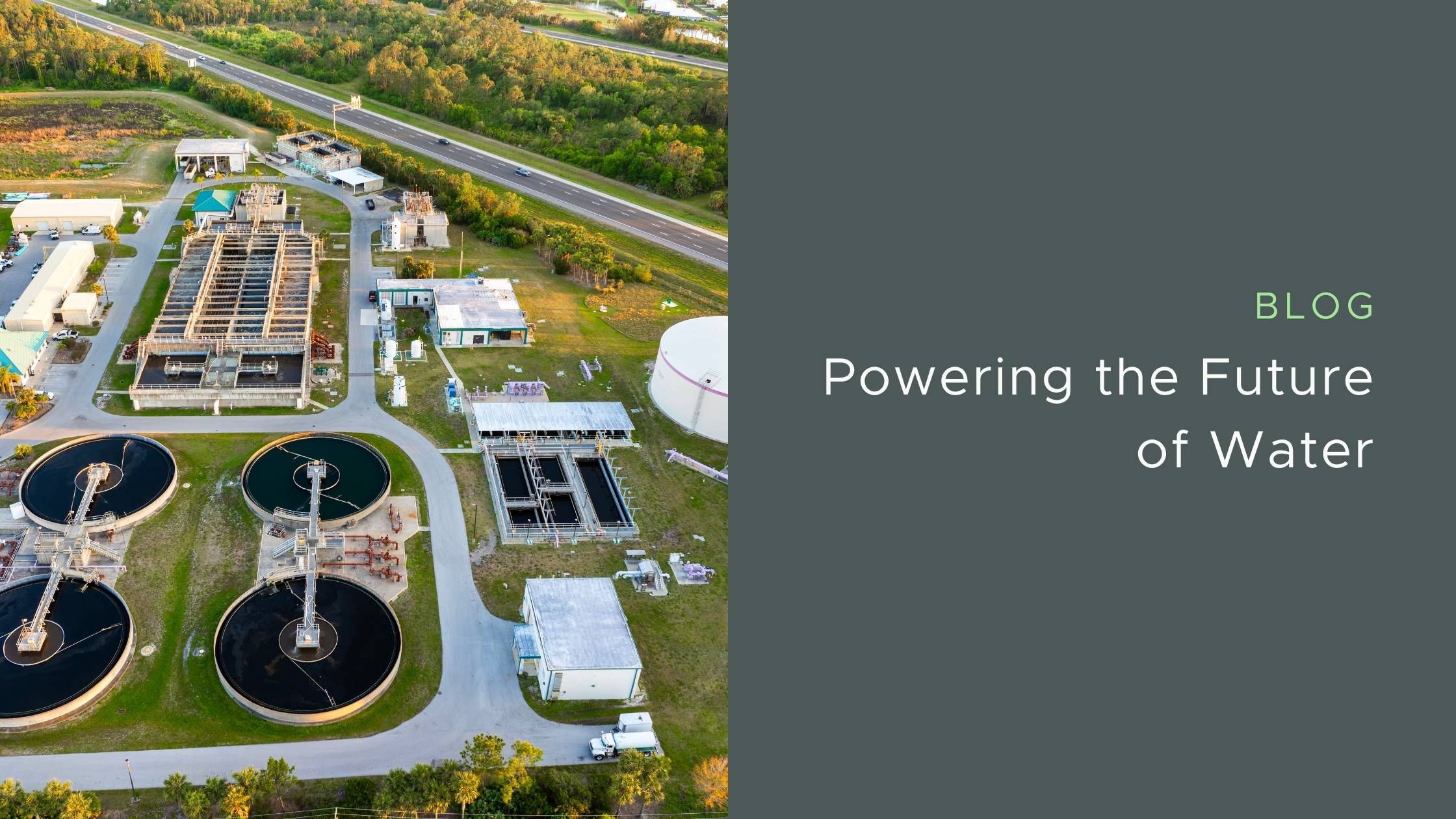
Water infrastructure in the U.S. was built on a simple assumption: that grid power would always be available and that running costs would remain manageable.
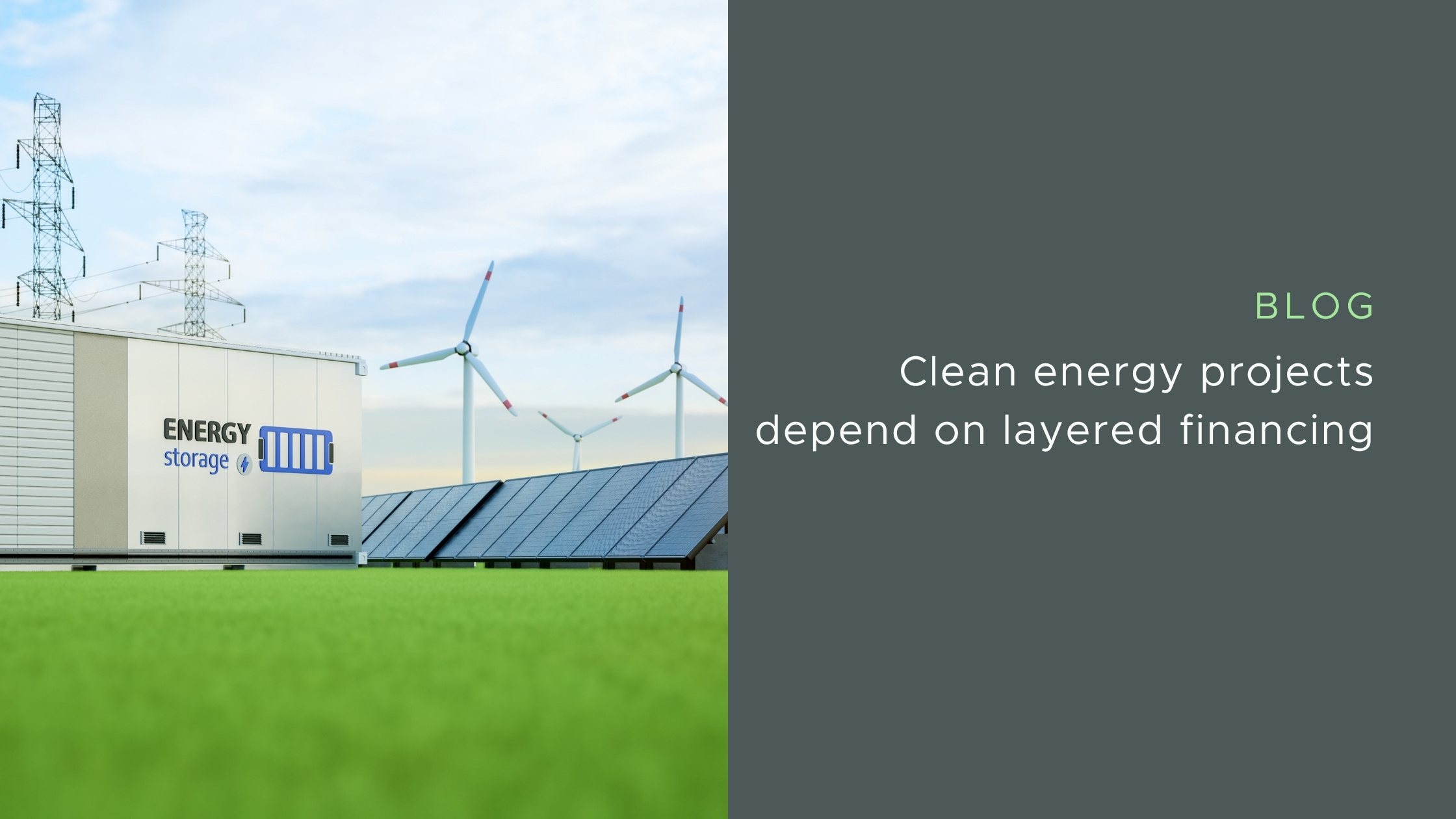
Clean energy projects do not stall because of technology. Solar projects involving solar panels have proven to be just as efficient; battery storage is commercially available; and microgrids are being installed at pilot scale in every major U.S. industrial sector.
U.S. commercial electricity rates have increased year over year for more than a decade, and the EIA forecasts show that won’t change. For businesses operating energy-intensive facilities, that isn’t a future issue, but rather one you have to deal with now.
Demand is climbing, extreme weather is arriving with less warning than before, and millions of homes now generate and store their own electricity in ways utilities never planned for.
Most of the infrastructure delivering electricity across the United States today was engineered before personal computers existed.
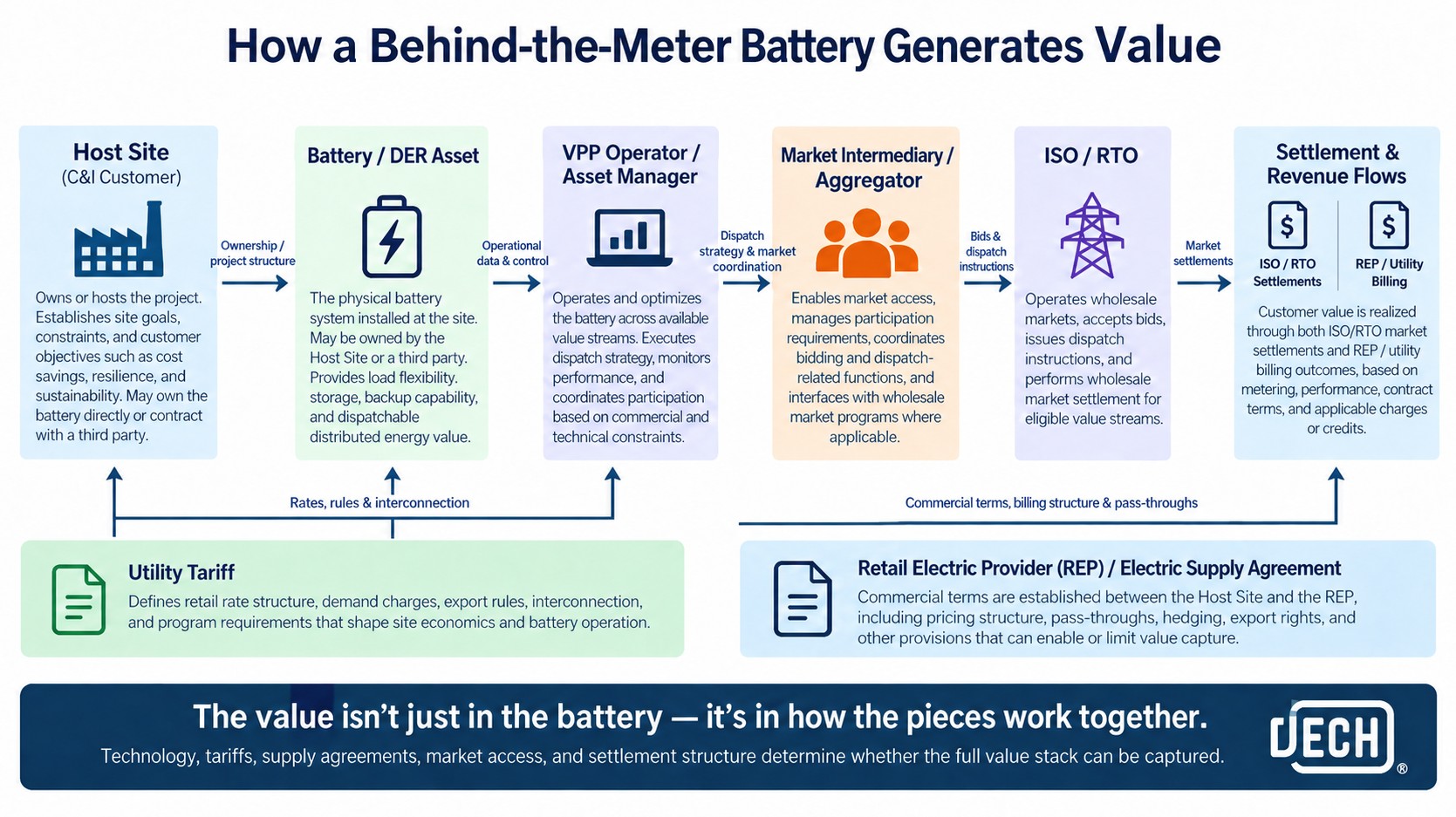
al power plants succeed or fail based on market rules, not just technology. Understanding those rules is essential to effective DER aggregation.
DERs don’t become grid resources by accident. Data is what enables visibility, performance, and market participation, and it’s now foundational to modern grid integration.
The electric grid is shifting from centralized generation to distributed flexibility. This post explains how virtual power plants coordinate DERs, why regulation matters, and what it means for developers and asset owners.