Resources
FEATURED POST
Distributed energy opportunities are relatively easy to identify. The harder part is determining which ones are strong enough to justify deeper engineering, development, financing, and
I want to talk about batteries today. We’re getting a lot of activity around batteries, a lot of inquiries, including inquiries from those of you who sell batteries.
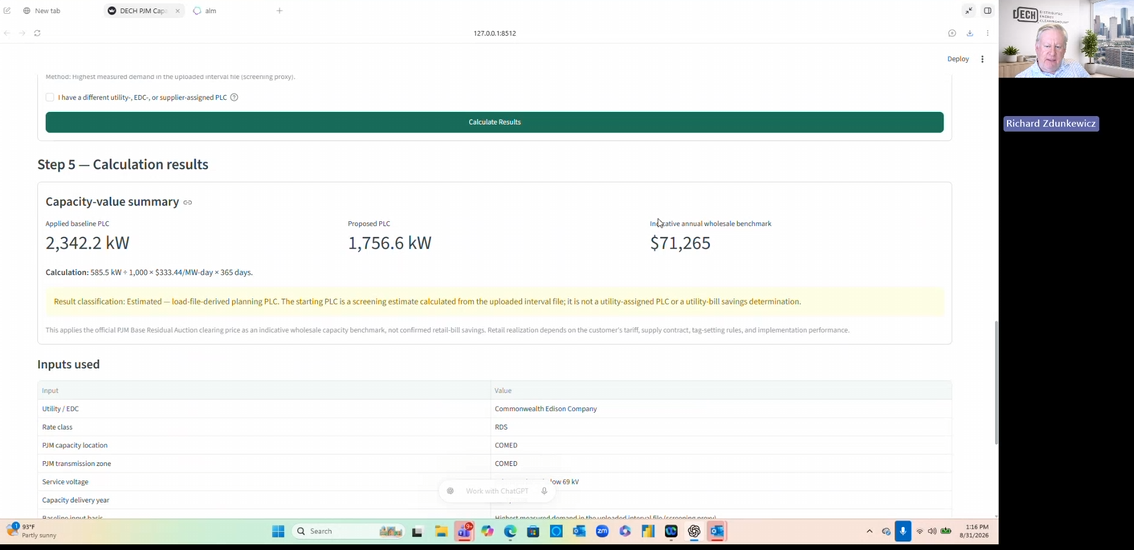
When we were creating Distributed Energy Clearinghouse, we built that platform kind of module by module. One of the modules we created was something that would really get a tight estimate of capacity charges.
According to Lawrence Berkeley National Lab, at the end of 2025, more than 2,000 gigawatts of proposed generation and storage were actively seeking connections to the grid.
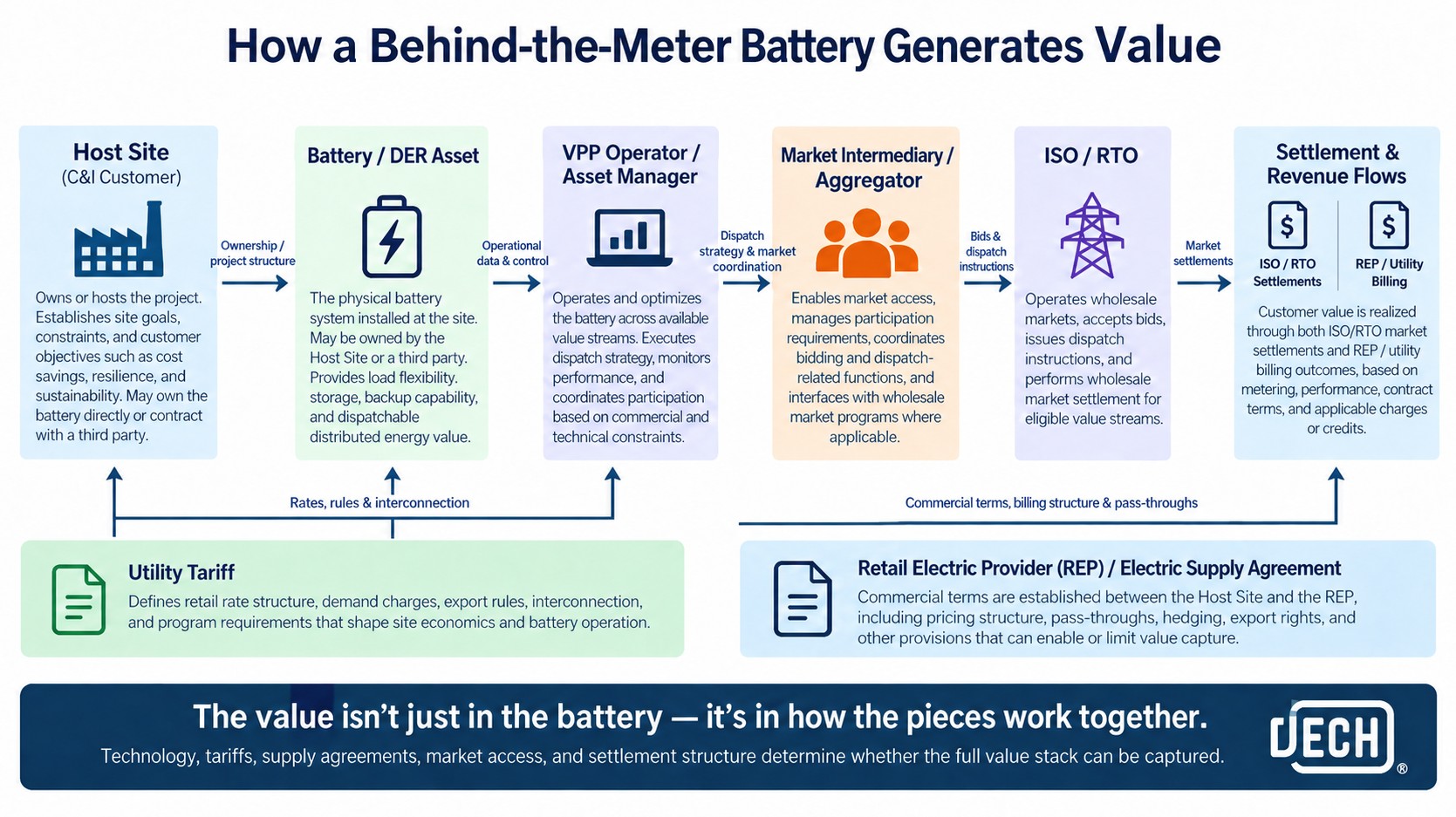
Battery energy storage creates value through much more than energy arbitrage. Learn the four primary drivers of battery ROI, including utility bill savings, grid services, incentives, and resilience, and why coordinating these value streams is essential to maximizing project economics.

Reliability generators are becoming an increasingly attractive investment in ERCOT.
Energy costs are one of the largest and least controllable line items for most commercial and industrial business owners.
Texas recently funded a new program to keep hospitals, water systems, and other critical facilities running when the power goes out.
Over the past several decades, electric demand growth was relatively modest, gradual, and broadly distributed across customer classes Electricity demand in the United States has entered a new reality.
What may be changing even more significantly is the way organizations are beginning to think about the role storage can play within their operations
Massachusetts’ Clean Peak Standard, or CPS, is a central part of the distributed energy conversation.
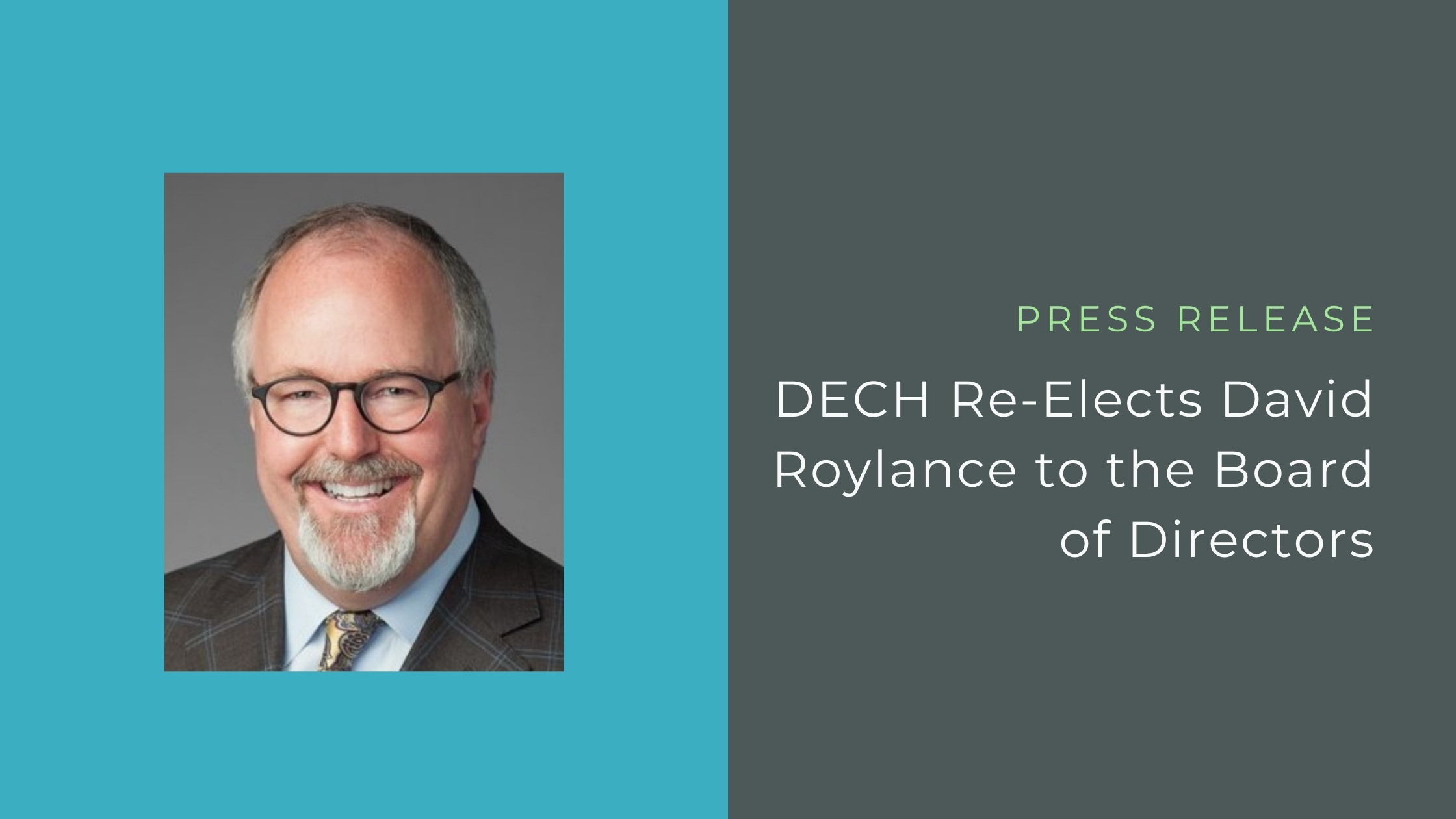
Distributed Energy Clearinghouse™ has announced that energy industry veteran David Roylance has been re-elected to its Board of Directors.
GIS WebTech LLC announced today that it has partnered with DECH to integrate energy data and energy intelligence into its GURU Site Selection technology and its broader GURU platform for economic development.
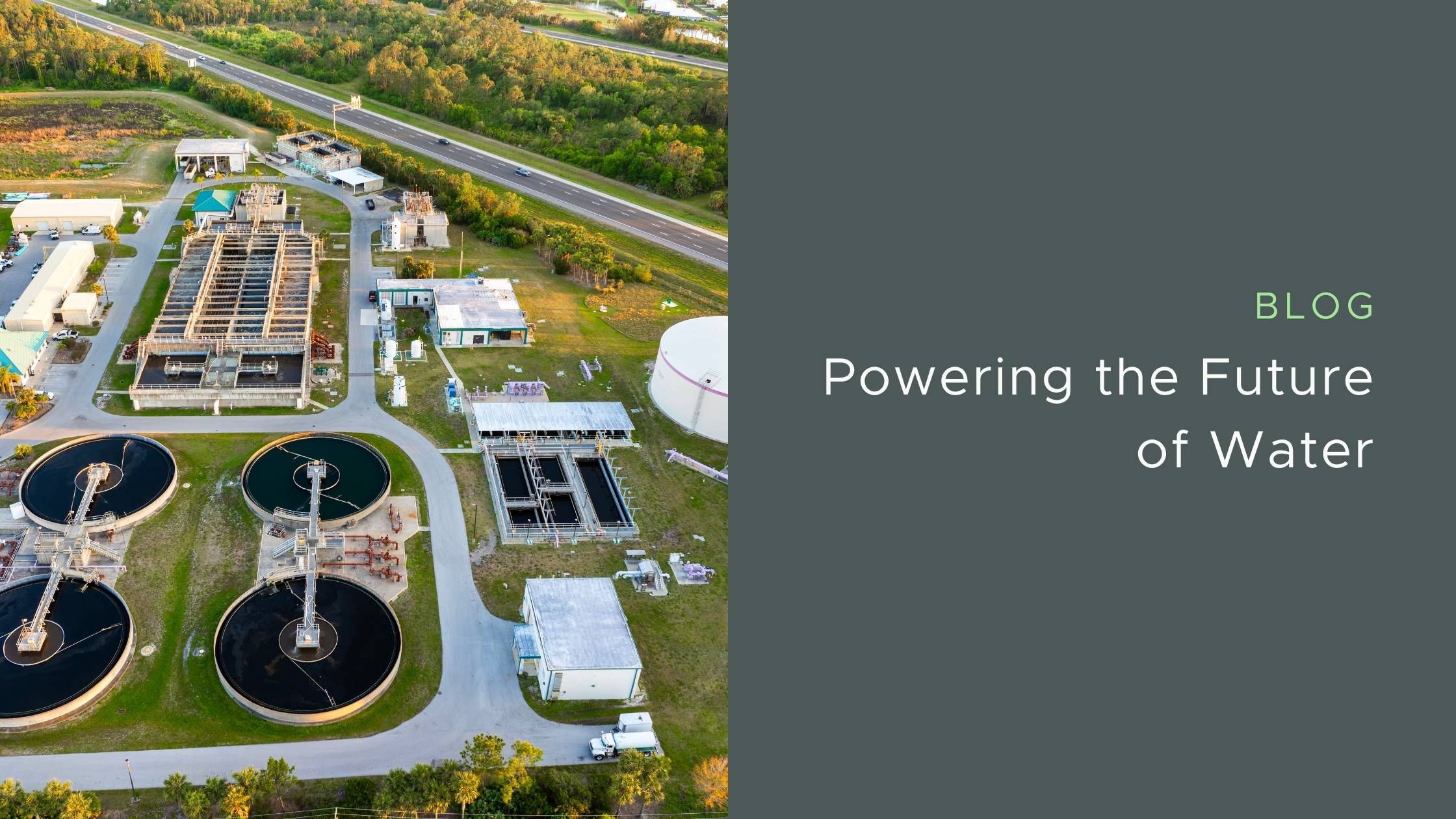
Water infrastructure in the U.S. was built on a simple assumption: that grid power would always be available and that running costs would remain manageable.
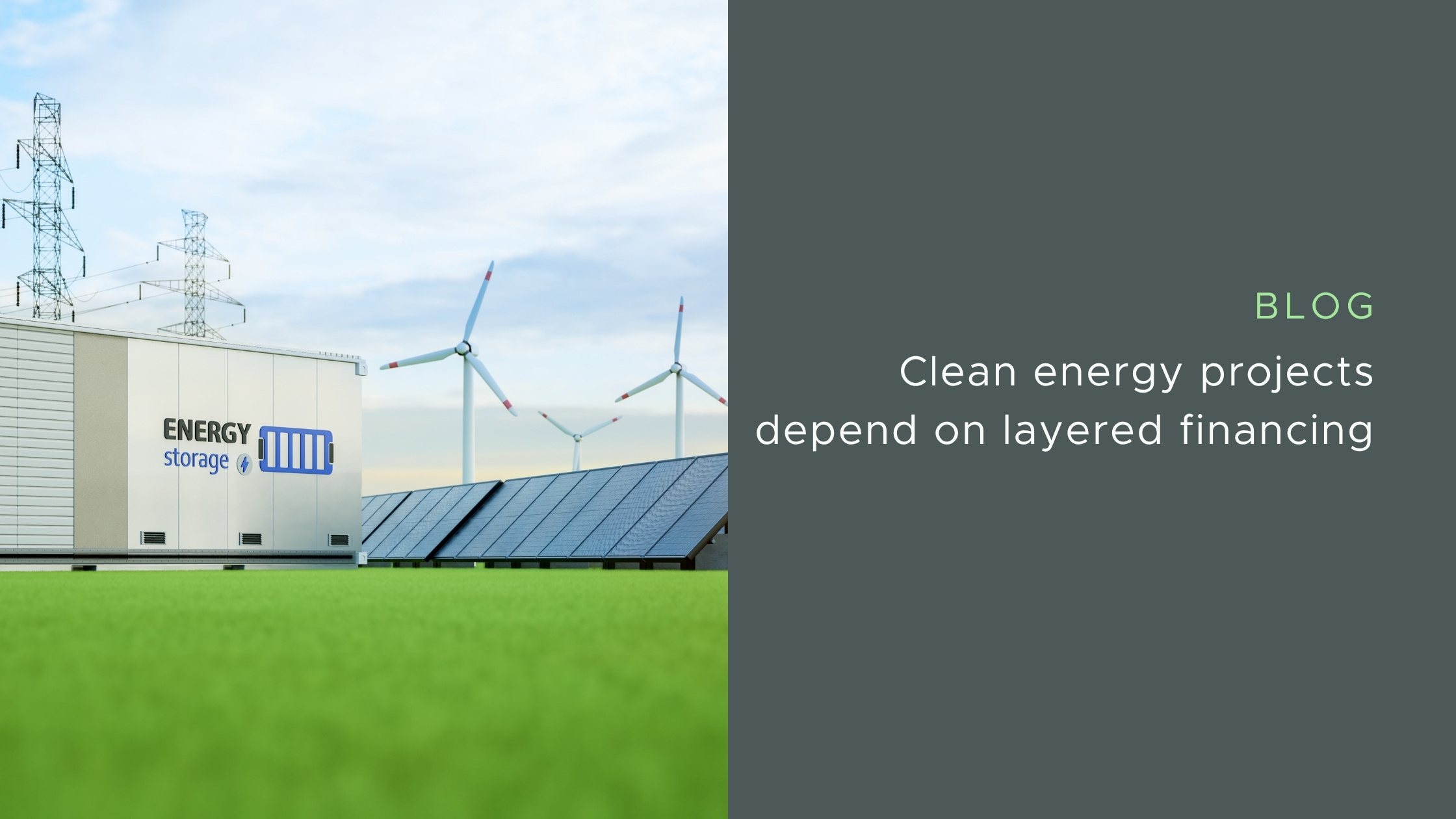
Clean energy projects do not stall because of technology. Solar projects involving solar panels have proven to be just as efficient; battery storage is commercially available; and microgrids are being installed at pilot scale in every major U.S. industrial sector.